
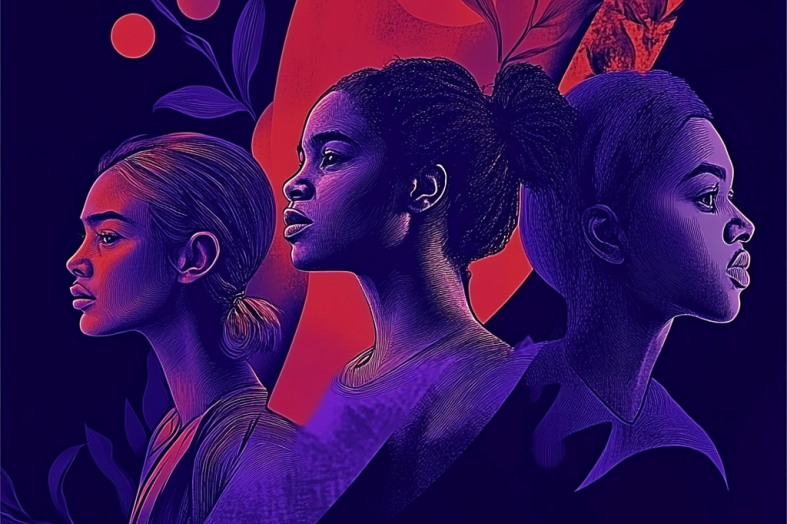
Women and the Power of Mental Health Advocacy The conversation around mental health is shifting and women are leading the...
Women and the Power of Mental Health Advocacy
The conversation around mental health is shifting and women are leading the charge.
For years, mental health issues were relegated to the shadows, stigmatized and ignored. Women, in particular, have historically been burdened with the additional weight of societal expectations to be caregivers, nurturers, and emotional anchors. This complex role often meant that mental health needs were suppressed, overlooked, or simply not spoken about at all.
But as we enter the new era of health and wellness, women are finally shattering this silence, both for themselves and for others. Whether they are leading nonprofits, spearheading global campaigns, or simply sharing their personal stories, women are breaking barriers and advocating for the mental well-being of people around the world.
The journey toward destigmatizing mental health issues is deeply personal for many women. Emily Jenkins, a New York-based mental health advocate and author, spent years battling anxiety and depression while keeping up with the demands of her high-powered career. Emily shares, “For so long, I thought I had to push through it. That mental health wasn’t something I could admit to, especially as a woman in business.” But after experiencing a breakdown that forced her to face the reality of her mental health struggles, Emily decided to speak out. Today, she is a prominent voice in the mental health community, using her platform to raise awareness and encourage others to prioritize their mental well-being.
“Breaking the silence was the hardest thing I’ve ever done,” she says. “But once I did, I realized how many others were carrying the same burden in silence.” Emily’s story is just one of many. From social media influencers to CEOs, women are using their visibility and voices to bring mental health to the forefront of conversation.
But this shift isn’t just happening in the United States or Europe. Women across the globe are stepping into leadership roles in mental health advocacy. In Kenya, Amina Khamis, a social worker and founder of the Kenya Mental Health Alliance, is working tirelessly to combat the stigma surrounding mental health in African communities. In many parts of Africa, mental health issues are often viewed through a lens of cultural misunderstanding and shame. Amina is challenging these outdated beliefs, emphasizing that mental health is just as important as physical health and advocating for better access to mental health services across the continent.
“We need to normalize conversations about mental health,” Amina says. “The longer we remain silent, the more people suffer in isolation. Our communities deserve better.”
This wave of advocacy is also evident in South Korea, where Dr. Yujin Lee, a clinical psychologist, has been working to change perceptions of mental health. South Korea has one of the highest suicide rates in the world, and the cultural stigma surrounding mental health remains incredibly strong. But Dr. Lee is fighting against that silence, both through her work with clients and through public outreach initiatives. She has appeared on national television, opened mental health workshops, and written articles in national newspapers, urging people to seek help when they need it.
Dr. Lee reflects, “Our culture teaches us to keep our struggles to ourselves. But if we want to save lives, we must start having honest, open conversations about mental health.”
In India, Madhavi Sharma, a former corporate lawyer turned mental health advocate, founded MindCare India, an organization dedicated to providing mental health support to underserved communities. In a country where mental health issues are often ignored or misunderstood, Madhavi’s work is revolutionary. “Mental health issues aren’t just a Western problem,” she says. “They are a global issue, and they need to be addressed in every community, in every language, with the same seriousness as physical health.”
Her efforts have not only brought attention to mental health but have also helped to challenge the deep-rooted taboos that exist in Indian society. Through workshops, online platforms, and public speaking engagements, Madhavi is working to shift the cultural narrative surrounding mental health — from one of shame to one of empowerment.
As women around the world come together to advocate for mental health, they are creating a collective movement that cannot be ignored. The stigma that once silenced countless individuals is gradually being replaced by understanding, compassion, and action. Mental health is being recognized as essential, not just to our individual well-being but to the health of our communities as a whole.
But this advocacy goes beyond the individuals making headlines. Grassroots organizations led by women in every corner of the globe are providing critical support to those struggling with mental health issues. In Argentina, Isabella Rojas runs Solace, a network that connects women survivors of violence with mental health resources. She explains, “Women who have experienced trauma often feel like they have no voice. We help them find that voice, and in doing so, we give them the power to heal.”
Women-led mental health initiatives are also transforming the workplace. Many women entrepreneurs and business leaders are not only championing mental health awareness but also implementing mental health-friendly policies within their organizations. Samantha Greene, the CEO of a tech startup in London, is one of the many leaders who has recognized the importance of mental well-being in the workplace. Samantha has implemented flexible work hours, mental health days, and counseling services for her employees. “When we take care of our teams, they take care of the business. Mental health is not a luxury; it’s a necessity.”
In the entertainment industry, women are also pushing the conversation forward. Celebrities like Selena Gomez, Lady Gaga, and Kerry Washington have used their platforms to speak candidly about their struggles with mental health. These conversations are not only breaking down barriers but also inspiring others to seek help, proving that vulnerability is not a weakness but a form of strength.
As the global conversation continues to evolve, one thing is clear: women are the driving force behind this much-needed cultural shift. They are redefining what it means to care for oneself and for others. By speaking out, by leading organizations, and by creating safe spaces for conversation, women are ensuring that mental health is no longer a taboo topic.
And the more women share their stories, the more we all realize that mental health is not an isolated issue it’s a human issue. It’s a fight we must all engage in together, because when women rise, they bring us all to new heights of understanding, empathy, and care.













Leave a Comment
Your email address will not be published. Required fields are marked with *